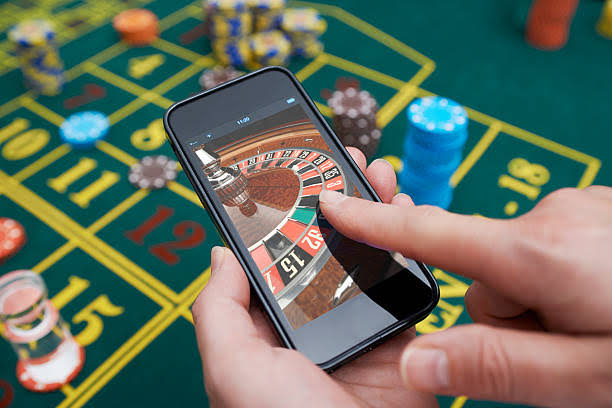

A bank balance can show thousands of units of currency, yet spending a small amount online may require little more than a tap. There is no physical cash changing hands and sometimes no noticeable pause between deciding to buy and completing the transaction.
This difference between digital and physical money can affect how people experience spending. It does not mean digital balances are unreal or that everyone behaves the same way. It means that interfaces, payment habits, and mental shortcuts can influence how clearly people perceive the cost of a decision.
What Makes Digital Money Feel Less Tangible?
Physical money provides visible cues. People can count notes, feel coins, or see a cash envelope becoming thinner. Digital payments replace those cues with numbers and transaction records.
For some users, this change makes spending less noticeable. The effect may be stronger when payments happen frequently, amounts are displayed in unfamiliar units, or the balance updates without a clear summary of the money spent.
Digital money remains real money. The absence of a physical exchange does not reduce its impact on rent, food, savings, debt, or other financial commitments.
Mental Accounting and Separate Balances
People often organize money into informal categories, such as savings, household expenses, entertainment, and unexpected costs. This is sometimes described as mental accounting.
Separate categories can help with budgeting, but they can also create misleading impressions. A person might treat a wallet balance, bonus credit, or refund as extra money while forgetting that the original funds came from the same overall budget.
A more accurate approach is to track all accounts and spending categories together. Money does not become financially separate simply because an app displays it on a different screen.
Why Small Transactions Can Add Up
A small payment may not feel important in isolation. Repeated transactions, however, can accumulate into a substantial total.
Consider a hypothetical example: spending $8 on five separate occasions totals $40. If the transactions occur across different sessions, a user may remember each purchase individually but overlook the combined amount.
This is why transaction summaries can be more informative than a current balance alone. The key question is not just how much money remains, but how much has already been spent.
The Role of Interface Design
Digital interfaces influence how users interpret information. A platform might display a large credit balance prominently while placing the original currency cost in smaller text. A purchase button may be easier to notice than a transaction summary.
Other design features can affect attention:
- Rapid animations and frequent notifications.
- Repeated prompts to add funds.
- Bundled credits that obscure unit prices.
- Countdown messages that create urgency.
- Limited visibility of cumulative spending.
These features do not prove that a platform intentionally manipulates every user. They do show why transparent pricing and easy-to-find spending records are important.
Practical Ways to Make Digital Money Feel Real
Users can create their own checks before spending:
Convert balances into familiar currency. If a platform uses credits or points, calculate their actual monetary value.
Review cumulative spending. Check deposits and purchases over a full week or month rather than looking only at the latest transaction.
Create a separate entertainment budget. Decide the amount in advance and keep it separate from money needed for essential expenses.
Add a pause before purchasing. Disable one-click payments where possible and take a moment to review the total cost.
Use notifications and limits. Transaction alerts and account controls can help make spending more visible.
These steps work best when they are established before a purchase or session begins, rather than after a spending limit has already been exceeded.
When Spending Becomes Difficult to Control
Losing track of spending occasionally does not by itself establish a gambling problem. However, repeated overspending, borrowing to continue gambling, hiding transactions, or using money intended for essential expenses are important warning signs.
If gambling is causing financial or emotional harm, consider stopping payments, using available blocking or self-exclusion tools, and contacting a qualified support service. A trusted person or financial counselor may also help with practical steps to stabilize household finances.
Conclusion
Digital balances can feel less tangible because they remove some of the physical cues associated with spending. Credit systems, rapid transactions, and interface design can make it harder to notice cumulative costs, particularly when spending is spread across several sessions.
Clear records, currency conversion, transaction alerts, and pre-set limits can help reconnect digital activity with real financial consequences. The most useful balance is not the number that looks largest on a screen, but an accurate understanding of what the money represents and what has already been spent.
FAQs
Why does spending digitally sometimes feel easier than spending cash?
Digital payments often involve fewer physical steps and less visible feedback. This can make individual purchases less noticeable, although the effect varies by person and situation.
Are virtual balances fake money?
Not necessarily. Some balances represent purchased funds or redeemable value, while others are non-cash points. The platform’s terms determine their actual meaning.
How can I track spending across several digital wallets?
Use transaction histories or a budgeting tool to record the date, amount, currency, and purpose of each transaction. Avoid counting transfers between your own accounts as new income or spending.
What if I keep exceeding my gambling budget?
Stop adding funds, use available account limits or self-exclusion tools, and seek support if gambling is affecting essential expenses or relationships.