
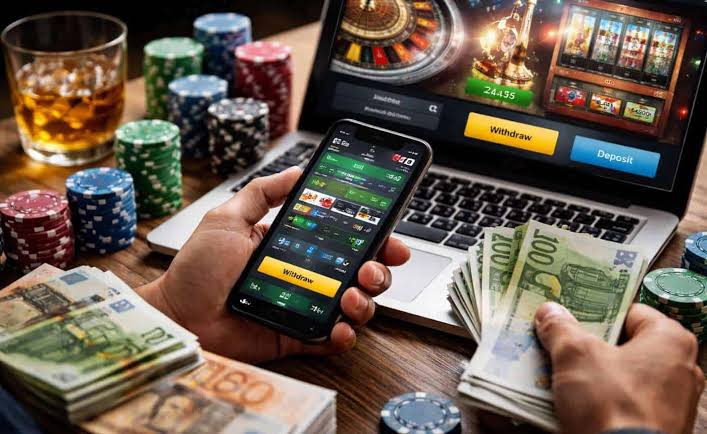
A gambling budget is meant to keep entertainment spending within affordable limits. But digital payments can make it easy to add funds, move money between accounts, and continue spending without immediately seeing the effect on everyday finances.
The warning signs are not limited to large losses. Small deposits that happen repeatedly, money borrowed to continue playing, or bills paid late because of gambling can indicate that the original budget is no longer protecting your finances.
Recognizing these patterns early creates an opportunity to pause, limit further harm, and seek support.
1. Essential Bills Are Becoming Harder to Pay
One of the clearest warning signs is using money intended for essential expenses to fund gambling. This may include rent, utilities, food, transportation, medical needs, childcare, or debt repayments.
You may also notice that bills are repeatedly delayed while you wait for a withdrawal or hope to recover money through further gambling.
Essential expenses should not depend on gambling outcomes. If gambling is interfering with these obligations, stop making deposits and prioritize immediate financial needs.
2. You Are Borrowing or Using Credit to Continue
Borrowing money to gamble can increase the financial consequences of a loss. Credit cards, personal loans, cash advances, overdrafts, and money borrowed from friends or family may create obligations that remain long after the gambling session ends.
A particularly concerning pattern is borrowing to recover previous losses. There is no guarantee that another session will restore the money, and additional borrowing can make the situation worse.
Avoid using credit or loans to fund gambling. If you already have gambling-related debt, focus on stabilizing your finances rather than trying to win the money back.
3. You Keep Exceeding Your Own Budget
A budget is useful only if it reflects a genuine boundary. Repeatedly increasing your limit, making extra deposits, or switching payment methods after reaching your planned amount can indicate that the budget is no longer effective.
Review the original limit and compare it with actual deposits and withdrawals. If you repeatedly exceed it, consider taking a break and applying stronger restrictions rather than creating a more generous budget.
4. You Are Chasing Losses
Chasing losses means continuing to gamble because you want to recover money already lost. This can turn a limited entertainment expense into a cycle of increasingly risky decisions.
A loss is not a debt that a game must repay. Outcomes are uncertain, and further gambling can produce additional losses.
A useful rule is to stop when your predetermined limit is reached, regardless of the outcome. Do not deposit more because a previous session went badly.
5. You Are Hiding Transactions or Financial Problems
Some people begin concealing gambling payments, giving inaccurate explanations about missing money, or avoiding bank statements because they fear what the records will show.
Secrecy can make it harder to assess the situation and get practical help. It may also delay action until debt or unpaid bills become more serious.
Consider reviewing the figures with a trusted person, financial counselor, or qualified support service. The purpose is not to assign blame, but to understand the financial position and decide on next steps.
6. Your Savings Are Shrinking Without a Clear Explanation
Unexpected withdrawals from savings, the sale of possessions to obtain gambling funds, or the repeated use of emergency reserves are important warning signs.
Savings have specific purposes, including unexpected expenses, future plans, and financial stability. Using them to support gambling can leave you vulnerable when a genuine emergency occurs.
Review your recent statements and calculate the amount that has moved from savings into gambling-related transactions. Consider moving essential funds into an account with appropriate safeguards and limiting access to discretionary money.
7. Gambling Is Affecting Relationships or Daily Responsibilities
Financial harm can extend beyond the account balance. Arguments about spending, missed work, reduced attention to family responsibilities, and anxiety about debt may all signal that gambling is taking up too much space in daily life.
These problems deserve attention even if you have not yet missed a payment or accumulated substantial debt.
If you find it difficult to stop despite negative consequences, consider professional support and tools that restrict access to gambling.
What to Do When You Recognize These Warning Signs
Take practical steps in order of urgency:
- Pause gambling and stop adding funds.
- Protect essential money needed for housing, food, utilities, and other immediate obligations.
- Review your records to calculate deposits, withdrawals, debt, and unpaid bills.
- Contact lenders or service providers if you may miss required payments.
- Use payment blocks or self-exclusion tools where available.
- Seek help from a qualified financial counselor or gambling-support service.
If gambling is causing serious financial or emotional distress, you do not need to wait until the situation becomes a crisis before asking for help.
Conclusion
A gambling budget may no longer be working if you are missing bills, borrowing to play, repeatedly exceeding limits, chasing losses, hiding transactions, or draining savings. These are reasons to pause and reassess rather than increase the budget.
Protect essential expenses first, gather accurate financial records, and use stronger payment restrictions if necessary. Seeking support early can help you address both the immediate money problems and the behavior contributing to them.
FAQs
What is the biggest financial warning sign of gambling harm?
Using money intended for essential expenses, borrowing to continue gambling, or repeatedly chasing losses are serious warning signs. Any pattern that threatens financial stability deserves attention.
Should I gamble more to recover money I have lost?
No. Further gambling does not guarantee recovery and may increase losses. Stop, review your finances, and focus on practical ways to address any shortfall.
How can I work out how much gambling has cost me?
Review payment statements and platform records. Add deposits and fees, subtract withdrawals, and account separately for promotional credits that are not withdrawable cash.
Where can I get help if gambling is affecting my finances?
Depending on your location, options may include a gambling-support helpline, a qualified financial counselor, a mental health professional, or a local organization specializing in gambling-related harm.