
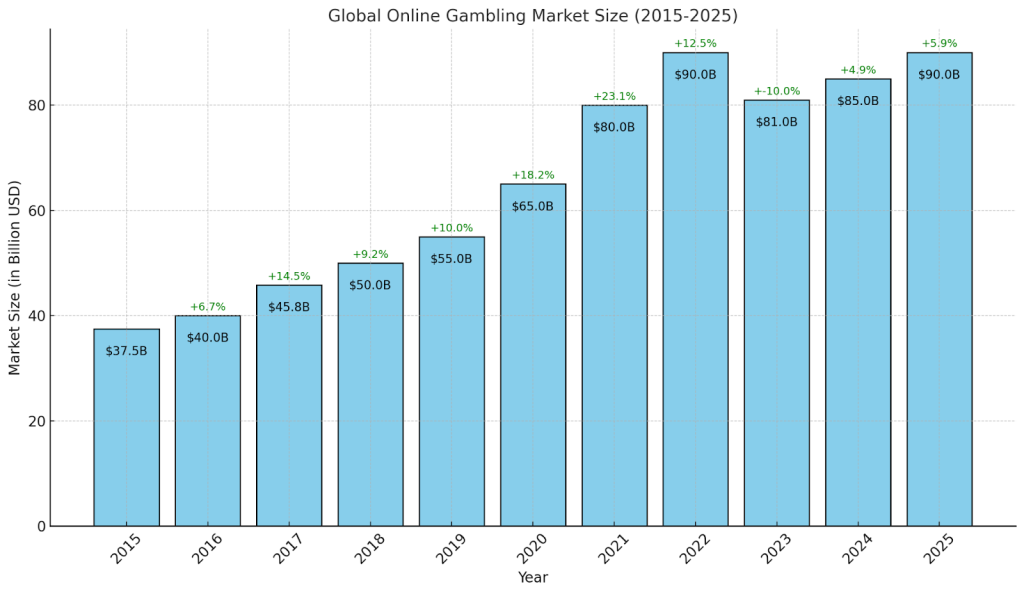
There has been a quiet but meaningful shift in how value is stored and experienced in online gambling. What was once a simple exchange of money for play has evolved into a system where every action, balance, and outcome is tied to a persistent digital account. This account does not reset at the end of a session—it stays, grows, and remembers. Over time, it begins to feel less like a temporary wallet and more like a digital identity.
Modern platforms are designed around continuity. Players log in, and their balances, histories, rewards, and preferences are already there, waiting. This creates a sense of permanence that changes how value is understood. The balance is no longer just “money for now,” but something that exists across time, shaping both behavior and perception.
Visualizing Account-Based Systems
Digital wallets, dashboards, and gaming interfaces all reflect how account-based value is presented today.
Value Becomes Attached to Personal Identity
One of the most defining features of account-based gambling is how closely value becomes tied to identity. Every deposit, win, and loss is recorded under a single account, creating a personal financial narrative.
A 2024 global digital payments report found that over 72% of online gaming users prefer account-based systems because they provide continuity and easier tracking of funds. This preference highlights how players are no longer thinking in isolated transactions but in ongoing experiences.
A user comment from a gaming forum reflects this shift:
“It doesn’t feel like I’m just playing anymore. My account feels like a profile that grows with me—wins, losses, everything stays there.”
This sense of continuity strengthens emotional connection. The account becomes more than a tool—it becomes part of how the player sees themselves within the system.
Continuous Tracking Changes Perception of Value

Unlike traditional gambling, where each session ends cleanly, account-based systems create a timeline. Players can review past activity, see patterns, and track performance.
Studies in behavioral economics show that people are more likely to continue engaging with systems that display historical progress, even if outcomes are neutral or negative. This is known as the “progress effect,” where visible tracking encourages ongoing participation.
For example:
- A player who sees a gradual increase over several sessions may feel motivated to continue.
- A player noticing repeated losses might still stay engaged due to the desire to “balance” their account history.
A Reddit user described it this way:
“When I see my past sessions, it feels like a story I want to complete, not just random games.”
This narrative element changes how value is perceived—it becomes part of a journey rather than a single moment.
Convenience Creates Constant Access
Another major factor driving the rise of account-based value is convenience. Players can access their accounts anytime, anywhere, across multiple devices.
According to industry data:
- Mobile gambling accounts for over 60% of online gaming activity globally
- Players check their balances an average of 3–5 times per session
This constant accessibility changes behavior. Instead of planning sessions, players interact spontaneously. The account becomes something that fits into daily life rather than something separate from it.
A casual player shared in an online discussion:
“I don’t ‘go play’ anymore. I just check my account when I have time, like checking messages.”
This shift makes the experience feel natural, integrated, and always within reach.
Emotional Engagement Becomes Ongoing
In account-based systems, emotions are no longer tied to single outcomes. Instead, they stretch across sessions, creating a continuous emotional thread.
Psychological research suggests that persistent accounts increase emotional attachment by up to 40% compared to session-based systems, because they hold memory. Wins feel like progress, and losses feel like part of a larger story.
For instance:
- Returning after a win creates anticipation.
- Returning after a loss creates motivation to recover.
A player comment captures this feeling:
“When I log back in, I remember exactly how I felt last time. It picks up right where I left off.”
This continuity makes engagement deeper and more sustained.
Loyalty Systems and Digital Wallets
Many platforms now integrate loyalty rewards, bonuses, and tier systems into accounts. These features further strengthen the connection between value and identity.
Example:
- A player earns points over time, unlocking rewards.
- These points are stored alongside their balance.
- The account becomes a combination of money, progress, and status.
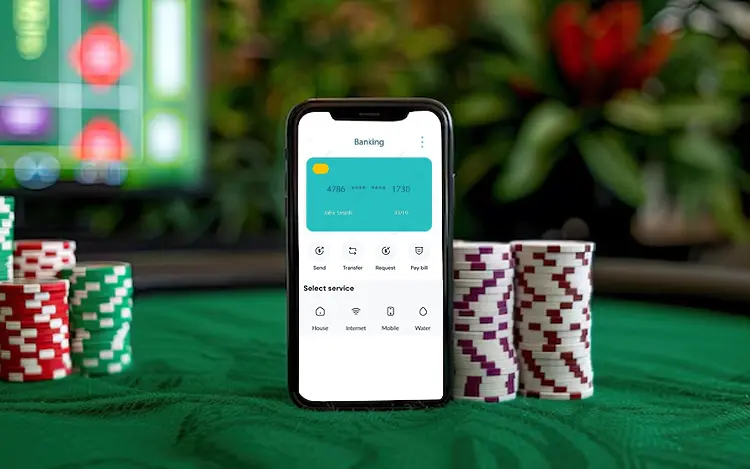
This mirrors broader digital trends. In finance, apps like digital banking platforms use similar systems where users track spending, savings, and rewards in one place. The difference is that in gambling, the emotional intensity is often higher due to the nature of outcomes.
The Psychology Behind Account-Based Value
Several psychological principles explain why account-based systems are so effective:
1. The Endowment Effect
People value things more when they feel ownership. A persistent account strengthens this feeling.
2. Loss Aversion
Players are more sensitive to losses than gains. When losses are stored in an account history, they feel more significant.
3. Habit Formation
Repeated interaction with an accessible system builds routine behavior over time.
A behavioral study found that users interacting with persistent digital balances are 30% more likely to return regularly compared to those using one-time transactions.
The Subtle Risks of Continuous Systems
While account-based value offers convenience and engagement, it also introduces challenges:
- Reduced awareness of spending due to digital abstraction
- Increased frequency of interaction because of easy access
- Emotional attachment that can influence decision-making
A financial psychologist noted:
“When value is always visible and always accessible, it becomes part of daily thinking, not just occasional decision-making.”
This highlights the importance of awareness when interacting with such systems.
The Blending of Digital and Real Value
One of the most interesting outcomes of account-based systems is how they blur the line between digital and real value. When balances are always present, always updating, and always accessible, they begin to feel like a natural extension of everyday finances.
Players may not consciously think about this shift, but it influences behavior:
- Spending feels less immediate
- Gains feel like progress within a system
- Losses feel like temporary setbacks in a larger journey
This blending is not unique to gambling—it reflects a broader trend in digital life, where accounts, balances, and profiles shape how people interact with value.
Final Thoughts
The rise of account-based value in online gambling represents more than a technical upgrade—it reflects a deeper transformation in how people experience money, identity, and interaction within digital systems.
What begins as a simple balance evolves into something continuous, personal, and emotionally connected. The account becomes a space where value is stored, tracked, and experienced over time, shaping not only what players do, but how they think and feel.
The most important takeaway is awareness. Understanding how these systems work allows players to engage with them more thoughtfully, recognizing that behind every number is not just value, but perception, behavior, and experience combined.
In the end, account-based value is not just about convenience—it is about connection, continuity, and the evolving relationship between humans and digital environments.


QpdhLzXSnCwnpGOmRiMemChU