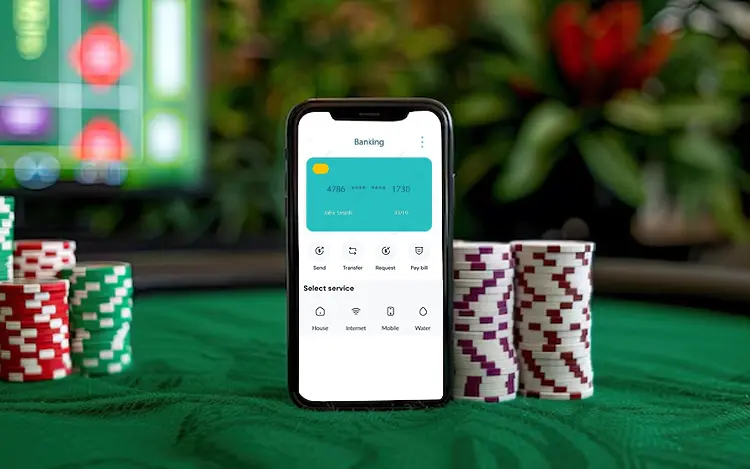
Personal finance involves making informed decisions about earning, saving, spending, and managing money. As digital payment methods become increasingly common, individuals have access to more financial tools than ever before. For those who participate in gambling activities, understanding personal finance principles and utilizing gambling budget resources can contribute to smarter and more sustainable financial choices.
A strong financial foundation begins with budgeting. A budget provides a clear overview of income and expenses, helping individuals allocate resources efficiently. Essential expenses such as housing, transportation, food, healthcare, and savings should always receive priority before discretionary spending categories are considered.
Gambling falls into the category of discretionary entertainment spending. Like dining out, attending concerts, or purchasing recreational items, gambling should only involve money that an individual can comfortably afford to lose. Treating gambling as entertainment rather than a financial strategy helps maintain realistic expectations and reduces the likelihood of financial difficulties.
Numerous resources are available to support effective gambling budgeting. Financial planning applications allow users to track income and expenses, set savings goals, and monitor spending patterns. These tools can provide valuable insights into overall financial behavior and help users identify opportunities for improvement.
Many responsible gambling organizations also offer educational materials designed to promote safer participation. Topics often include bankroll management, spending limits, recognizing risky behaviors, and maintaining healthy relationships with gambling activities. Educational resources can help individuals make informed decisions while understanding the potential risks involved.
An effective gambling budget typically starts with determining available discretionary income. After essential expenses and savings contributions have been accounted for, a small portion of remaining funds may be designated for entertainment. Establishing this limit in advance helps reduce emotional decision-making during gaming sessions.
Tracking expenses is equally important. Recording deposits, withdrawals, and entertainment spending allows individuals to assess whether they are remaining within their planned limits. Transparency often leads to better financial awareness and improved spending habits.
Another valuable personal finance principle is diversification of financial goals. Rather than focusing solely on short-term entertainment, individuals benefit from balancing immediate enjoyment with long-term objectives such as retirement savings, emergency funds, education expenses, or debt reduction. This broader perspective encourages healthier financial decision-making.
Technology can support these goals through automated savings transfers, spending alerts, and account monitoring features. Many banking applications and digital wallets provide tools that help users stay informed about financial activity in real time.
Financial literacy plays a critical role in long-term success. Understanding concepts such as budgeting, interest, debt management, saving, and risk assessment empowers individuals to make better decisions across all areas of personal finance. These skills are valuable regardless of whether a person participates in gambling activities.
Ultimately, personal finance and gambling budget resources are most effective when used together. By prioritizing essential financial obligations, establishing clear entertainment budgets, and leveraging educational tools, individuals can make smarter financial choices that support both short-term enjoyment and long-term financial stability.