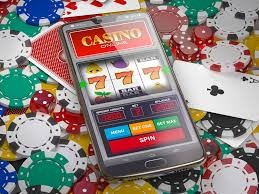
Digital wallets have become an essential part of modern financial life. They allow users to make payments, transfer money, and manage funds conveniently from smartphones and computers. While digital wallets offer speed and accessibility, they also require careful financial management, particularly for individuals who use them for entertainment activities such as online gaming or gambling. Combining smart digital wallet practices with responsible gambling budget strategies can help maintain financial stability and reduce unnecessary risks.
One of the primary benefits of digital wallets is convenience. Users can store multiple payment methods, monitor transactions, and complete payments quickly without repeatedly entering financial information. Popular wallet platforms often include security features such as two-factor authentication, biometric verification, and transaction alerts. These tools help protect users from unauthorized access and potential fraud.
However, convenience can sometimes encourage impulsive spending. Because transactions occur almost instantly, individuals may lose track of how much they are spending over time. This is why budgeting remains a critical component of digital wallet management. Establishing spending limits and regularly reviewing account activity can help users maintain better control over their finances.
For individuals who participate in gambling activities, responsible budgeting becomes even more important. Gambling should always be viewed as a form of entertainment rather than a method of generating income. Creating a separate entertainment budget can help ensure that gambling expenses do not interfere with essential financial obligations such as housing, utilities, food, savings, or debt payments.
A practical strategy is to allocate a predetermined amount of discretionary income specifically for entertainment purposes. Once that limit has been reached, no additional funds should be added until the next budgeting period. Many digital wallets provide spending analytics that allow users to categorize transactions and monitor expenditures in real time.
Another useful approach involves separating gambling funds from everyday financial resources. Maintaining a dedicated wallet balance for entertainment expenses can prevent accidental overspending and make transaction tracking easier. This separation provides greater transparency and accountability.
Responsible gambling operators often support budgeting efforts by offering deposit limits, spending controls, and activity tracking features. Utilizing these tools can reinforce personal financial goals and encourage healthier participation habits. Combining platform-based safeguards with personal budgeting practices creates a more comprehensive approach to financial management.
Emergency savings should never be used for gambling or entertainment purposes. Financial experts generally recommend maintaining an emergency fund to cover unexpected expenses such as medical costs, vehicle repairs, or temporary income disruptions. Protecting these funds helps preserve long-term financial security.
Regular financial reviews are equally important. Monthly evaluations of wallet activity, spending patterns, and budget performance can help identify areas where adjustments may be needed. Small improvements in spending habits often produce meaningful long-term benefits.
Ultimately, smart digital wallet management and responsible gambling budget strategies work together to support healthier financial decisions. By prioritizing security, maintaining clear spending limits, and viewing gambling as entertainment rather than investment, individuals can enjoy the convenience of digital financial tools while protecting their overall financial well-being.