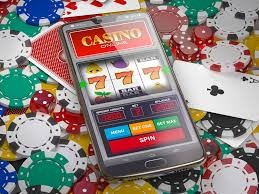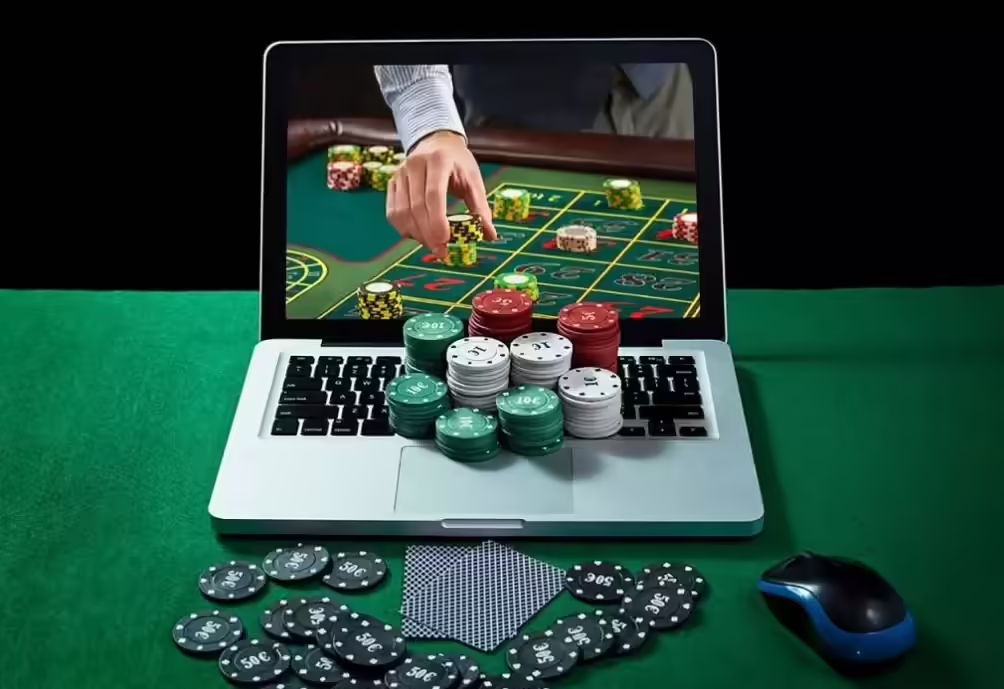
There comes a quiet moment for many players when the numbers on a screen stop feeling like simple money and begin to feel like something else entirely—something stored, moving, and changing inside a digital system. This shift does not happen all at once. It forms gradually, shaped by repetition, design, and the speed at which value appears and disappears. Over time, what once felt like cash begins to feel more like a digital asset—fluid, abstract, and part of a larger system rather than something physically owned.
The Visual Shift: From Cash to Code
One of the most noticeable changes is how value is seen. Physical money has weight, texture, and presence. It can be counted, held, and physically handed over. Digital balances, however, exist only as numbers.
This difference matters more than it seems.
A 2023 behavioral finance study found that people tend to spend 12–18% more when using digital payment systems compared to cash, largely because digital value feels less tangible. The same pattern appears in casino environments, where balances update instantly and lack physical form.
A user on a popular gaming forum described it this way:
“When I use cash, I feel every loss. When it’s just numbers on a screen, it feels like I’m playing with points, not money.”
This subtle mental shift creates the foundation for seeing balances not as currency—but as part of a system.
Speed Turns Money Into Movement

In traditional settings, money changes hands slowly. In digital environments, value moves instantly.
Casino balances can rise or fall within seconds. This speed changes perception. Instead of feeling like a stable resource, money begins to feel like something in motion—almost like a live data stream.
Research from the Journal of Behavioral Decision Making highlights that rapid feedback environments reduce the perceived value of losses, because the brain shifts focus from the amount to the motion of change.
A player shared in an online discussion:
“It’s not about how much I have anymore. It’s about watching it go up and down. That’s what keeps me in.”
When value becomes movement, it becomes less about ownership and more about interaction.
Interface Design Shapes How Value Feels
Modern casino interfaces are designed to feel smooth, fast, and seamless. Numbers update instantly. Animations flow without interruption. There are no pauses that force reflection.
This matters because design influences perception.
A usability report from Nielsen Norman Group found that users trust and engage more with systems that feel frictionless, even when making financial decisions. In casino systems, this frictionless design blends the balance into the experience itself.
Instead of feeling like something separate that needs protection, the balance becomes part of the gameplay.
A UX designer explained this effect in a public interview:
“When a system removes friction, it removes awareness. People stop thinking about the value and focus on the experience.”
Over time, this design approach turns money into a background element—always present, but rarely questioned.
Emotional Distance Changes Decision-Making

Another important shift happens emotionally.
When using physical money, losses often feel immediate and real. But digital balances create a small layer of distance. The screen acts as a filter between the player and the value.
A 2022 psychology study on digital transactions found that people experience lower emotional intensity when losing digital funds compared to cash, even when the amount is the same.
This doesn’t mean emotions disappear—it means they change.
A Reddit user described it simply:
“I know it’s real money, but it doesn’t feel real in the moment. It only hits me later.”
This delayed emotional response reinforces the idea that digital balances are not quite the same as physical money. They feel softer, less immediate, and more like part of a system.
Familiarity Turns Digital Value Into “Normal”
At the beginning, digital balances may feel unusual. But repetition changes that.
The more time a player spends interacting with digital numbers, the more natural they feel. The brain adapts quickly to patterns, even abstract ones.
A study from MIT on digital behavior found that repeated exposure to virtual value systems leads users to treat them as real within the context of the system, even if they remain abstract outside it.
This is why balances can start to feel like digital assets—because within the environment, they behave like one.
A long-time player commented:
“After a while, it just feels like part of the game world. Like points in a system you’re managing.”
This normalization is quiet but powerful. It changes how value is understood.
When Value Feels Like It Belongs to the System
One of the most subtle shifts is the feeling of ownership.
Physical money feels personal—it exists outside any system. But digital balances are stored, displayed, and controlled by the platform. This can create a quiet sense that the value belongs within the system rather than fully to the player.
This doesn’t happen consciously. It builds over time.
Financial behavior research shows that people are more likely to spend funds that are stored within a system (apps, platforms, wallets) compared to funds held externally, because they feel “assigned” to that environment.
A user shared this perspective:
“It feels like money that’s meant to be used there, not saved.”
This mindset transforms the balance from something to protect into something to interact with.
The Blending of Game and Finance
As all these elements come together—speed, design, repetition, and emotional distance—the line between money and system begins to blur.
The balance becomes part of the experience, not separate from it.
This is similar to how people view digital currencies or in-game economies, where value exists entirely within a system but still feels meaningful inside it.
A report by Deloitte noted that over 60% of users in digital ecosystems begin to view platform-based value as distinct from traditional money, especially when it is used frequently within that environment.
This doesn’t mean the value is less real—but it is experienced differently.
A Quiet but Powerful Shift
There is a simple truth behind all of this: the way value is experienced shapes how it is understood.
When money is physical, it feels solid and grounded. When it becomes digital, fast-moving, and integrated into a system, it begins to feel fluid, abstract, and part of something larger.
This shift is not dramatic. It does not announce itself. It happens quietly, through repeated interaction and subtle design.
Final Reflection
When casino balances start feeling like digital assets, it reflects a deeper connection between human perception and digital systems. Value is no longer just about numbers—it is about how those numbers are presented, experienced, and understood.
For those who notice this shift, it creates an important moment of awareness.
Because once you see the difference between money as something you hold and value as something you interact with, you begin to understand how easily perception can change—and how powerful that change can be.