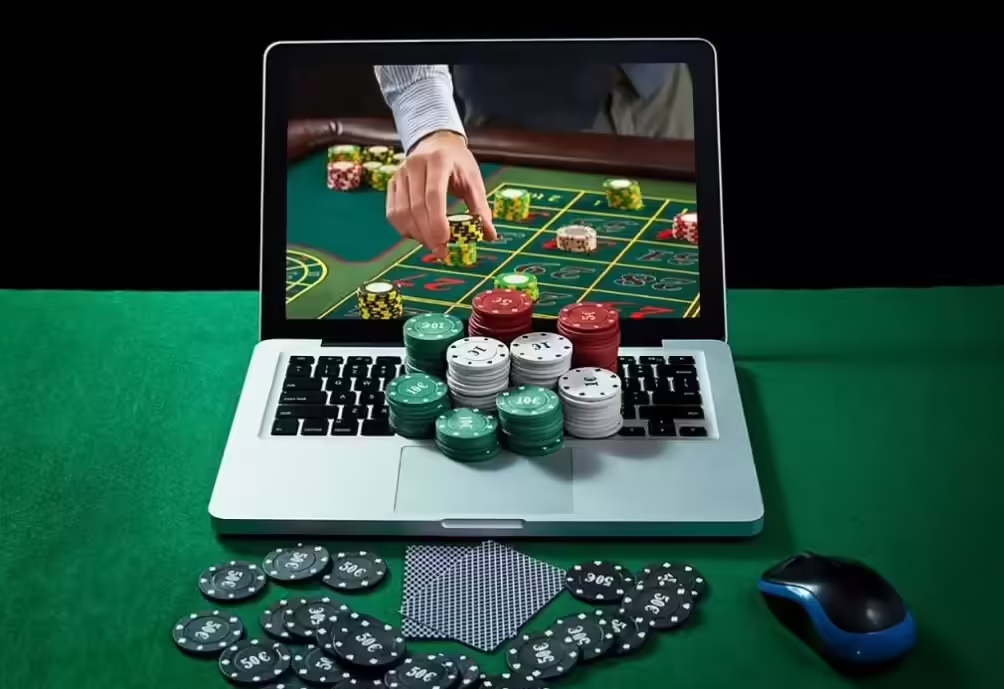
There was a time when value inside a casino felt tangible, grounded, and easy to grasp. Players held chips, stacked them, counted them, and felt every decision through a physical action. Today, that experience has transformed. Digital chips and wallet-based systems have replaced much of that physical interaction, creating a smoother, faster, and more abstract relationship with value.
This shift is not just technological—it is psychological. When value becomes something that lives on a screen rather than in the hand, it begins to feel different. It moves faster, appears lighter, and often feels less tied to real-world consequences. Over time, this changes how players think, decide, and interact with money itself.
From Physical Chips to Digital Interfaces
The evolution from physical chips to digital wallet interfaces has reshaped how players experience value.
From Tangible Chips to Invisible Value
One of the most significant changes is the move from physical chips to invisible, digital value. In traditional casinos, chips acted as a bridge between money and gameplay. They were symbolic, yet still physical—something players could hold, stack, and lose in a visible way.
With digital chips, that bridge becomes abstract. Value is reduced to numbers on a screen, updating instantly with each action. There is no weight, no texture, and no physical pause between decisions.
Research in behavioral psychology shows that people tend to spend up to 20–30% more when using digital or cashless systems compared to physical cash, largely because the “pain of paying” is reduced when money is not physically handled.
A comment from an online casino discussion reflects this shift:
“When I used chips, I always knew exactly what I was risking. With digital balance, it feels like I’m just watching numbers move.”
This highlights how abstraction softens the perceived impact of value.
Digital Wallets Create Continuous Value Flow
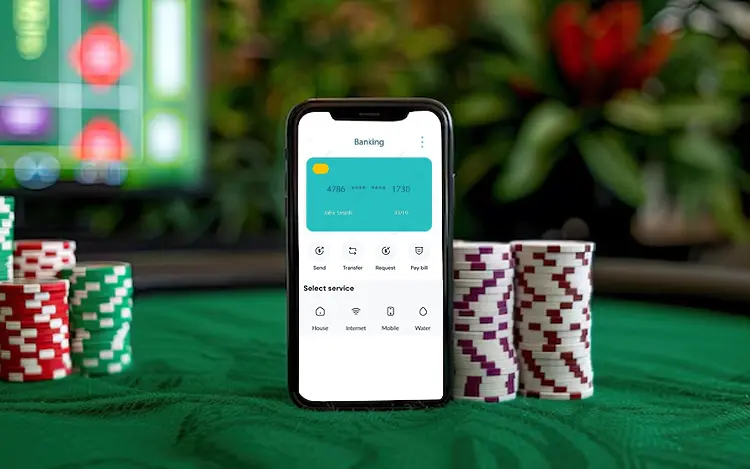
Digital wallets have introduced a new layer to this experience. Instead of bringing money into a session and leaving with what remains, players now operate within a continuous system where value is always present and always accessible.
Industry reports indicate that over 80% of online gambling platforms now use integrated wallet systems, allowing instant deposits, withdrawals, and balance tracking.
This creates a seamless flow:
- No clear start or end point
- No physical reset between sessions
- Constant visibility of balance
A user on a gaming forum described it simply:
“It feels like the money is always there, waiting. I don’t feel like I’m starting fresh each time.”
This continuity changes perception. Value no longer feels like something brought into the experience—it feels like something that exists within it.
Speed and Instant Feedback Change Decision-Making
Another key factor is speed. Digital systems process transactions instantly. Wins and losses appear in real time, often within seconds.
Studies show that faster feedback loops increase engagement and decision frequency, because there is less time for reflection between actions.
In traditional settings:
- Players pause to count chips
- Decisions are spaced out
- Physical interaction slows the pace
In digital systems:
- Results are immediate
- Decisions happen quickly
- The experience becomes continuous
A player shared this observation:
“There’s no break. You just keep going because everything happens so fast.”
This rapid pace can make value feel more fluid and less fixed, encouraging ongoing interaction.
Familiarity with Everyday Digital Systems
One reason digital wallets feel natural is that they mirror other systems people already use. Mobile banking, payment apps, and online shopping all rely on similar interfaces.
According to global fintech data:
- Digital wallet usage has grown by over 150% in the last five years
- The average user interacts with digital financial tools multiple times daily
Because of this, players approach casino wallets with a sense of familiarity. The design feels intuitive, and the interaction feels normal.
A comment from a casual player illustrates this blending:
“It feels like using any other app. I don’t really think of it as gambling money—it’s just part of my account.”
This overlap reduces the psychological distance between gaming value and everyday financial systems.
Emotional Distance and the “Softened Impact” Effect
One of the most important psychological shifts is the reduction in emotional intensity. When value is represented digitally, gains and losses are experienced through visual updates rather than physical actions.
This creates what researchers call a “softened impact effect,” where emotional responses are less immediate.
For example:
- Losing physical chips can feel abrupt and tangible
- Losing digital balance feels like a number decreasing
A study in consumer psychology found that digital transactions reduce emotional response intensity by up to 40% compared to cash-based interactions.
A real player described this difference:
“When I lost chips, I felt it instantly. Now it’s just numbers going down—it doesn’t hit the same way.”
This emotional distance can make the experience feel smoother, but also less grounded.
Cashless Casinos

Many modern casinos are adopting fully cashless systems. In these environments, players use cards or mobile apps instead of chips.
Benefits often include:
- Faster transactions
- Enhanced tracking of activity
- Greater convenience
However, these systems also highlight how quickly value perception changes.
In a 2023 pilot program, a cashless casino reported:
- 25% increase in average session length
- Higher frequency of transactions per player
These results suggest that when value becomes digital and frictionless, behavior adjusts accordingly.
The Psychology Behind the Shift
Several key psychological principles help explain this transformation:
1. Reduced Friction
Digital systems remove physical steps, making interaction easier and faster.
2. Abstraction
Numbers on a screen feel less “real” than physical objects.
3. Continuous Access
Always-available balances encourage frequent engagement.
4. Familiar Design
Interfaces resemble everyday apps, reducing resistance.
Together, these factors create a new environment where value is experienced differently—not as something held, but as something flowing.
The Blurring Line Between Digital and Real Value
As digital chips and wallets become more common, the distinction between gaming value and real-world money becomes less clear.
Players:
- Deposit real money
- Convert it into digital balance
- Interact with it continuously
- Withdraw it back into real form
This cycle creates a unified perception of value. The mind begins to treat both forms as part of the same system.
A player summed it up in a discussion thread:
“It’s all just one thing now. Whether it’s in my bank or in the game, it feels the same.”
This blending reflects a broader shift in how people interact with money in a digital age.
Final Thoughts
Digital chips and wallet systems have done more than modernize casinos—they have redefined how value is experienced. What was once physical, slow, and deliberate has become digital, fast, and continuous.
The change is subtle but powerful. Value feels lighter, moves faster, and integrates seamlessly into the experience. Over time, this shapes not only how players interact with games, but also how they think about money itself.
The key takeaway is awareness. Understanding how digital systems influence perception allows players to engage more thoughtfully, recognizing that while the form of value has changed, its meaning remains real.
In the end, digital chips and wallets are not just tools—they are part of a larger transformation in how humans experience value in a world where physical and digital realities continue to merge.